Browse · What it's about
Technology and AI.
22 stories on technology and ai.
Click any part to switch.
21 tested claims: read plainly, 11 holds and 5 mixed and 1 fails and 2 unresolved; read at their widest, 2 holds and 15 fails and 4 unresolved.

Critics say AI billionaires are buying the election to control what happens in kids' classrooms.
The catchThe nine-figure spending targets candidates by their stance on AI regulation. Their stance on schools plays no part in it.
Sacks says Anthropic invented the AI-safety panic to box out rivals.
The catchAnthropic turned down a Pentagon contract and ate a federal blacklisting to keep its safety guardrails.
Critics say companies are using AI as a cover story for ordinary layoffs.
The catchReal AI-driven job cuts are also happening. Both things are true at the same time.

A White House adviser says AI-doomer rhetoric incited the attack on Sam Altman's home.
The catchThe safety groups blamed for it have zero documented contact with the attacker and explicit no-violence policies.
Critics say Big Tech's AI buildout is really one big surveillance machine.
The catchAnthropic turned down $200 million from the Pentagon to keep its rules against mass surveillance.
Critics say the AI industry is selling inevitability to make opposition feel pointless before it forms.
The catchA hundred-plus cities protested data centers five months after the industry's biggest ad push.
A tech investor says anti-data-center protesters are bused-in actors funded by Beijing.
The catchA reporter asked attendees how they got there. They drove themselves.
Pro-buildout voices call data-center protesters Luddites who are handing the AI race to China.
The catchThe 120-plus protests are local fights over power bills and water, and none of it is organized opposition to AI itself.

Sanders says AI executives are cutting jobs to get richer and for no other reason.
The catchOpenAI's CEO just proposed taxing the rich, including himself, to fund a payout for everyone.
Critics say data-center tax breaks prove officials are bought by industry money.
The catchThe same year, New York banned new data centers and a North Carolina commissioner lost his seat for approving one.

Critics say the AI industry's own doom talk set the mood for someone to attack Sam Altman.
The catchThe critics making that case condemned the attack in the same breath they made it.
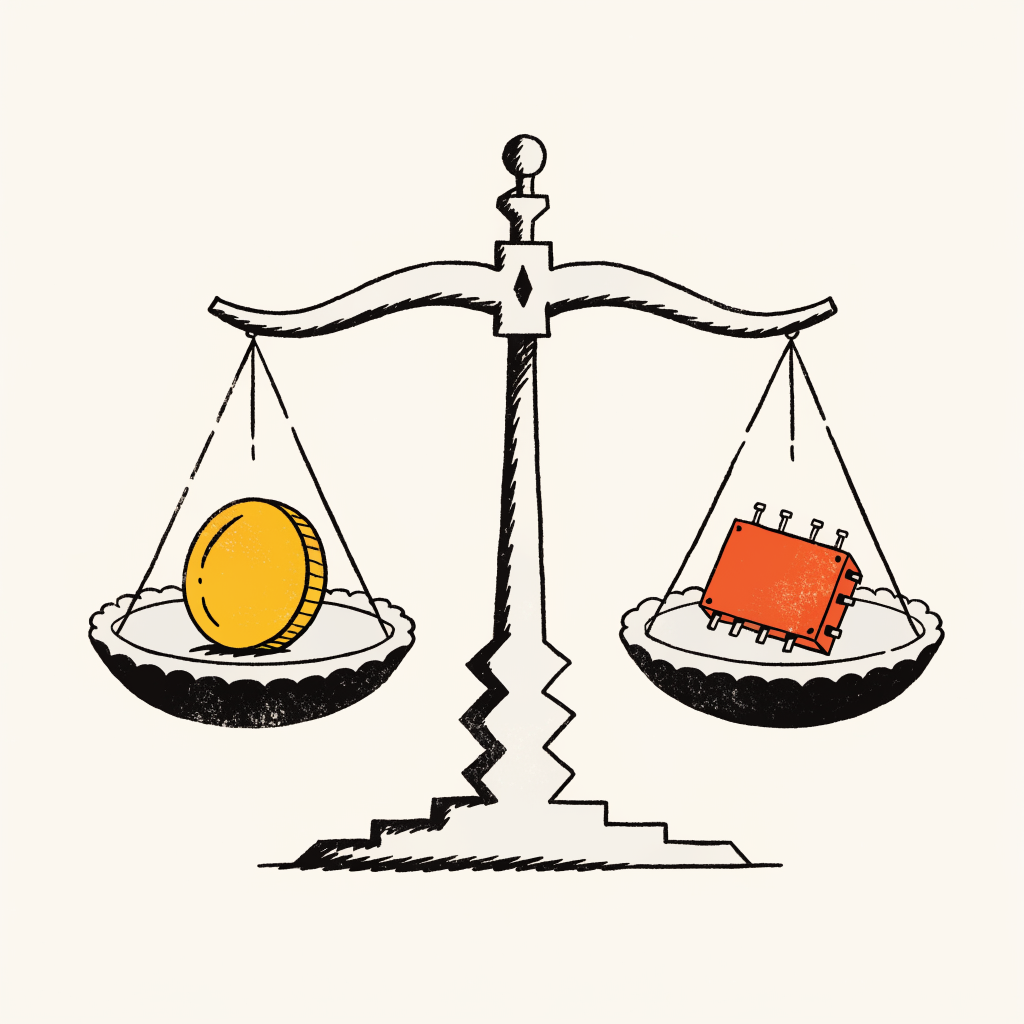
Fifty-one checks across thirteen arguments about AI, each one tested twice.
The catchThe same words hold up or fall apart depending on how far you push them, and the arguing happens in that gap.
Sacks says California's "one-time" billionaire tax was never going to stay one-time.
The catchHe was right that a second tax proposal followed. Nobody's found a backer who actually wants the industry destroyed.

Sacks says the AI jobs crisis is a hoax the press is running on purpose.
The catchA real study found no AI-driven hiring collapse, and the same outlets gave the skeptical case prominent coverage too.
Anthropic wants to ban open-source AI in America and won't stop until it kneecaps the open model ecosystem.
The catchThe letter it declined to sign rejects prohibition in its own text and asks only for targeted remedies.
AI data centres impose costs on communities that didn't agree to them, and government should pause further building until those costs are addressed.
The catchNone that the checks turned up. The opposition figures, the federal land policy, and the cross-party split all hold.
Anthropic defends its own unrestricted use of others' work for training while treating comparable use of its own output as theft, and its safety commitments are strategy dressed as principle.
The catchAnthropic paid $1.5 billion to settle claims over training on pirated copies. Settlements do not concede liability, and that case is not the same question as training on lawfully obtained work.
Tilly Norwood is a creative tool and a conversation starter, she poses no threat to human actors, and the backlash overstates what she is.
The catchParticle6 announced her as the lead in a feature, with agents reportedly circling. A thought experiment does not get cast as a lead.
Closed AI labs absorb enterprises' and governments' proprietary data into their models and rent it back, and real sovereignty means owning your own models and data.
The catchThe commercial tension is real and the competitors are identifiable. The harvesting described rests on Palantir's own account.

Nationwide backlash against AI data centers is substantially fueled by Chinese-linked foreign influence, and the local grievance behind it isn't genuine.
The catchThe investor who first made the claim reviewed his own evidence and found tens of thousands of dollars in routine foreign-philanthropy grants, far short of the hundreds of millions he'd alleged, and no federal investigation backs the claim at all.

Anthropic's political spending and safety advocacy show it wants regulatory capture: rules only Anthropic can comply with, entrenching itself while eliminating startup and open-source competition.
The catchThe one documented electoral proxy fight pitted Anthropic-aligned money against OpenAI-aligned money over a safety-disclosure candidate, with no startup on either side.
The AI industry's public reassurances show it is knowingly destroying jobs at scale and building addictive products that harm children behind a front the public believes.
The catchThe industry's most prominent safety-focused CEO has spent a year loudly warning about mass job displacement, and the child-harm pattern is already the subject of an FTC inquiry, lawsuits, and a state law.
Cut these 22 another way
Read the plain way
Read at its widest
Where it sits