We ran 51 checks across 13 arguments about AI. Read plainly, every one held. Read at their widest, most came apart.
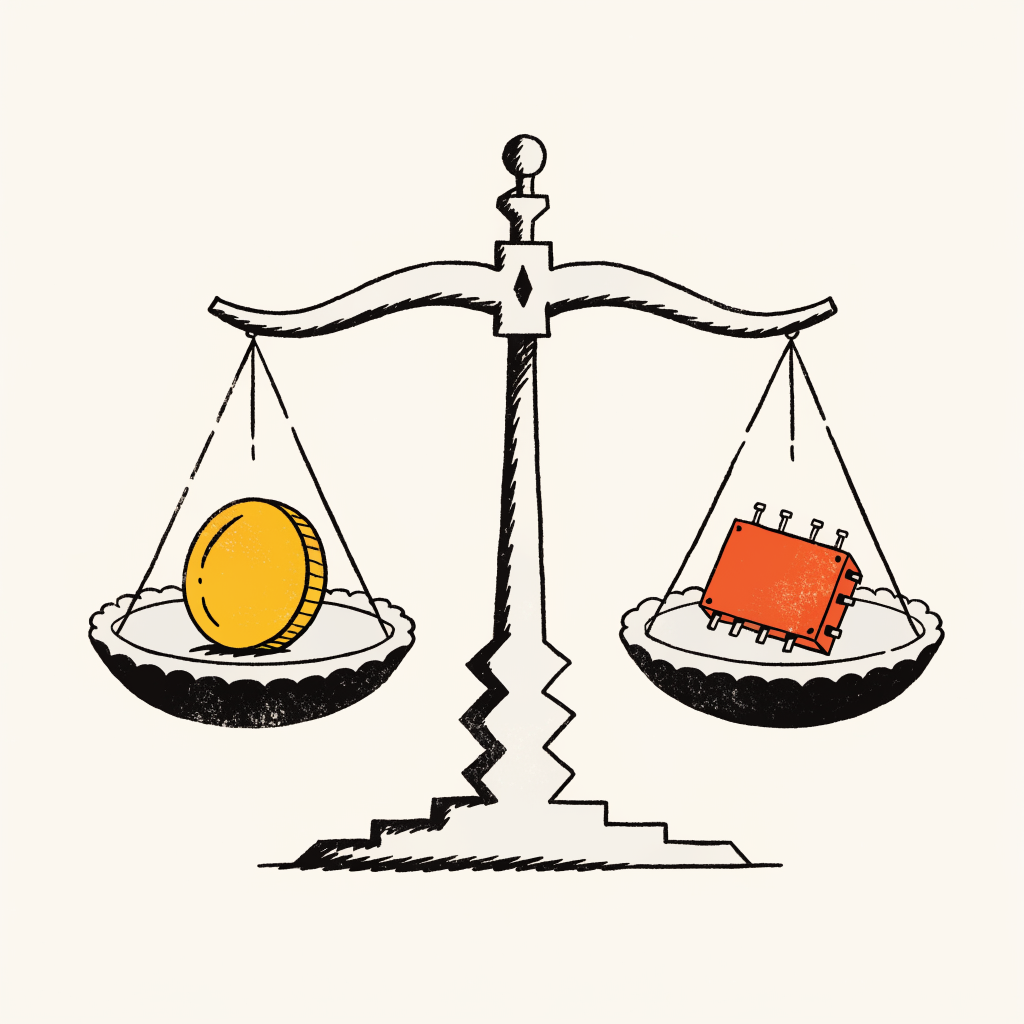
From January to July 2026 we tracked thirteen camp-versus-camp arguments about AI, the tech industry, and data centers: executives are only in it for money, safety warnings are a business play, protesters are paid actors, the jobs crisis is a press invention. Each one got the same treatment. Write the claim down in two versions, the plain one an ordinary listener would take from it and the widest one the same words reach, work out what each version predicts, then go and check.
None of the 26 checks on the plain readings came back false. Of the 35 on the widest readings, 21 did.
So the pattern isn't that everyone is lying, and it isn't that everyone is right. People describe real things accurately and then extend them into a claim about what their opponents secretly want, which is the part that stops being checkable. The layoffs are real; the mind-reading about why isn't. The money in politics is real; the bought-monolith isn't. The protests are real; the buses from Beijing aren't.
Two of the thirteen come back open, with no score, because the check carrying the claim is one nobody can settle. Where the money from AI actually landed hasn't been measured. Which voices moved one man isn't knowable. Those cards say so instead of leaning on the background that did check out.
Fifty-one checks across thirteen arguments, each tagged with which reading it tests and whether it carries the claim or the background. Every card shows its own checks and sources.
26 plain checks, 0 failed. 35 widest checks, 21 failed.The AI fault line, January to July 2026
Thirteen narratives, every carrier quote, the full scoring, and the coverage notes on what we couldn't verify. This page is the plain-language cut; that one is the whole thing, including the polarization methodology that defines every score here.
All thirteen
13 confirmedEach one is a claim someone is making, the checks we could run on it, and how it fared read plainly and read at its widest.

Critics say AI billionaires are buying the election to control what happens in kids' classrooms.
The catchThe nine-figure spending targets candidates by their stance on AI regulation. Their stance on schools plays no part in it.
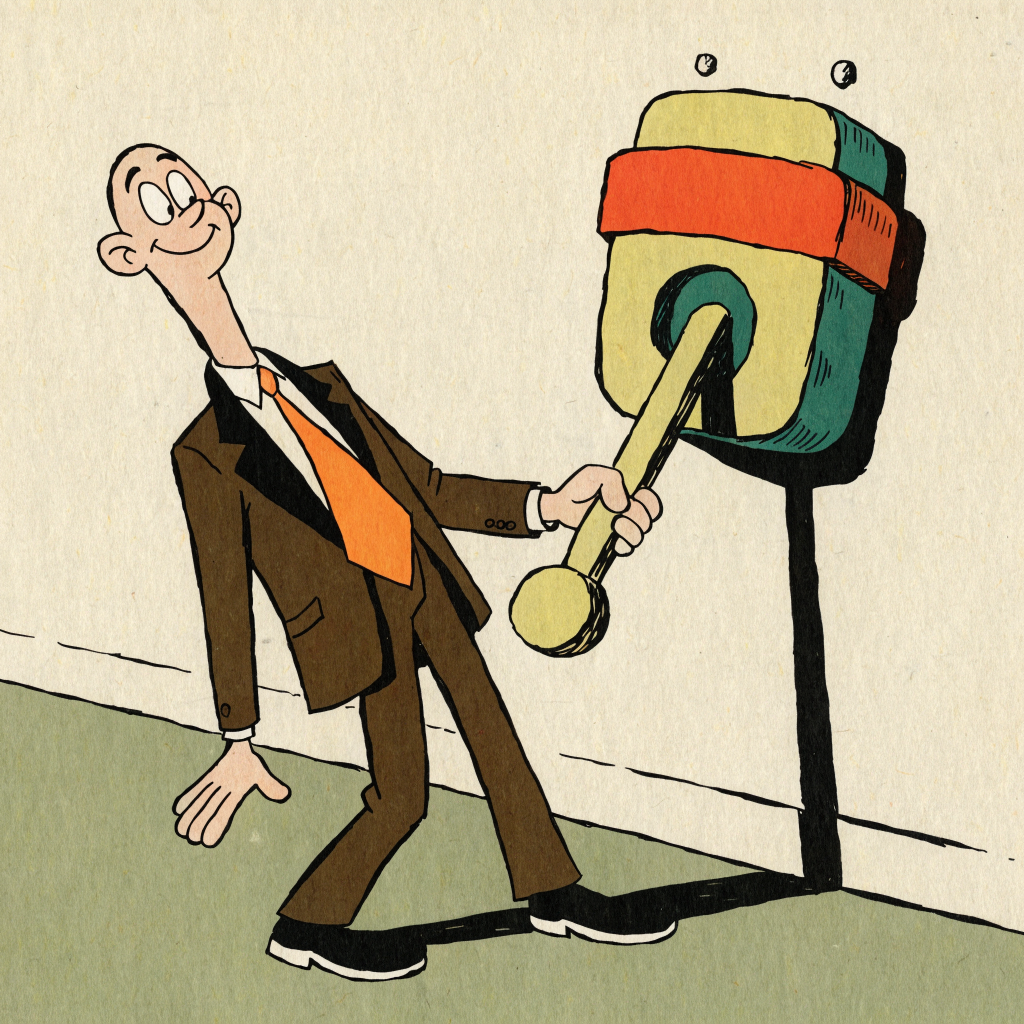
Sacks says Anthropic invented the AI-safety panic to box out rivals.
The catchAnthropic turned down a Pentagon contract and ate a federal blacklisting to keep its safety guardrails.
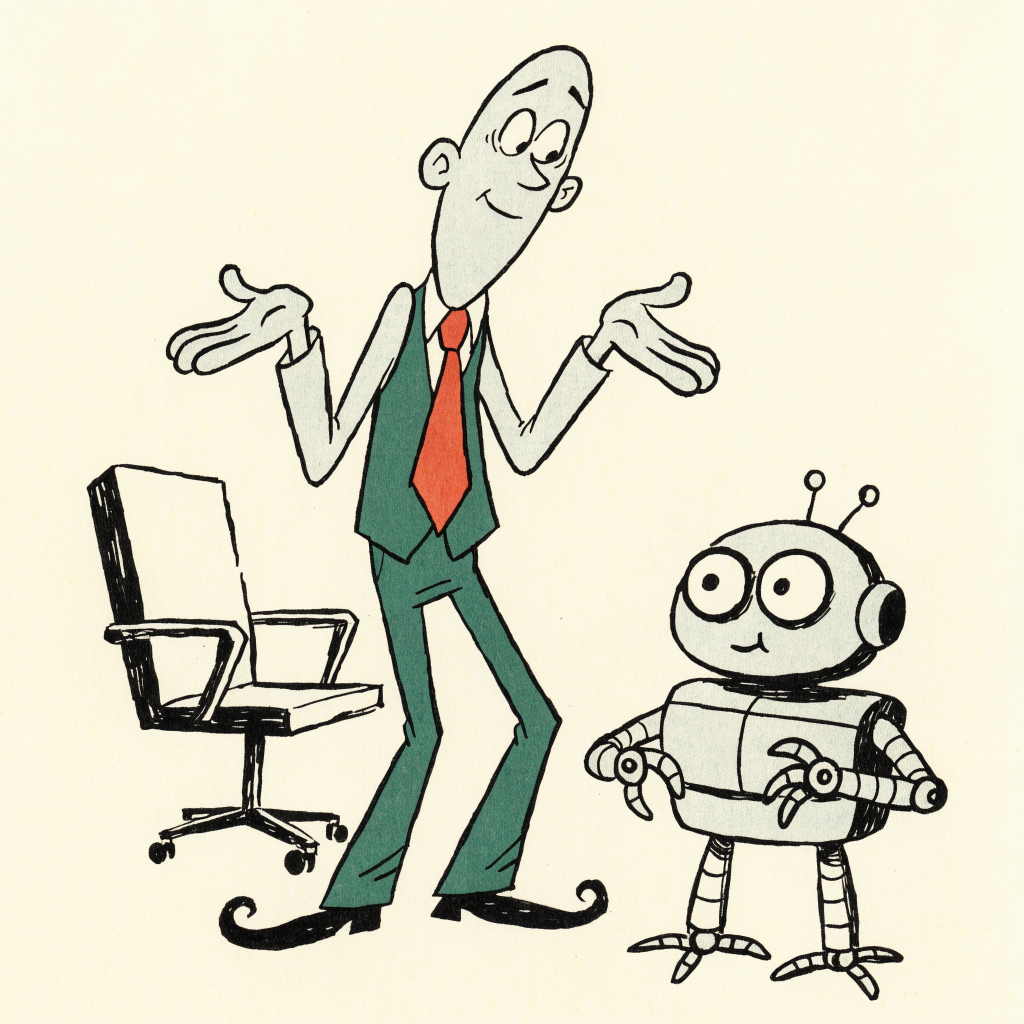
Critics say companies are using AI as a cover story for ordinary layoffs.
The catchReal AI-driven job cuts are also happening. Both things are true at the same time.
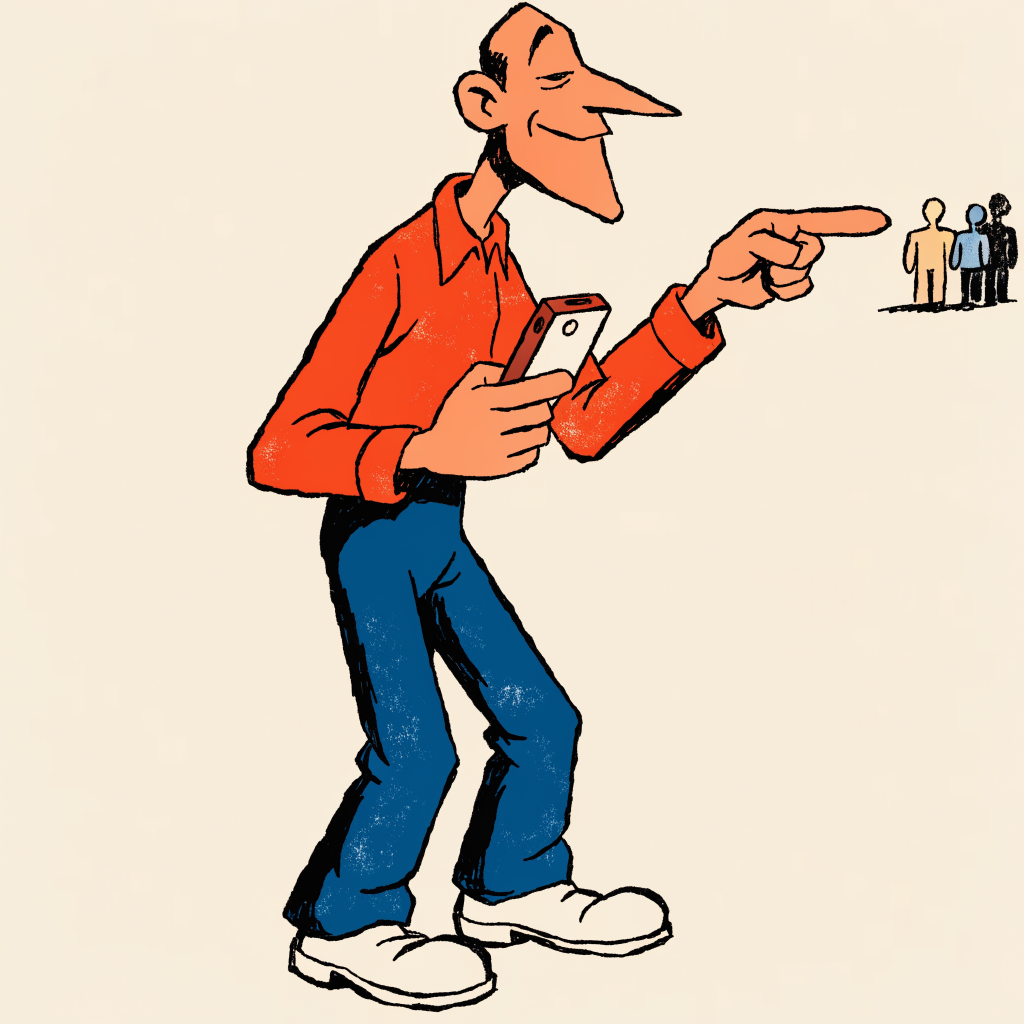
A White House adviser says AI-doomer rhetoric incited the attack on Sam Altman's home.
The catchThe safety groups blamed for it have zero documented contact with the attacker and explicit no-violence policies.
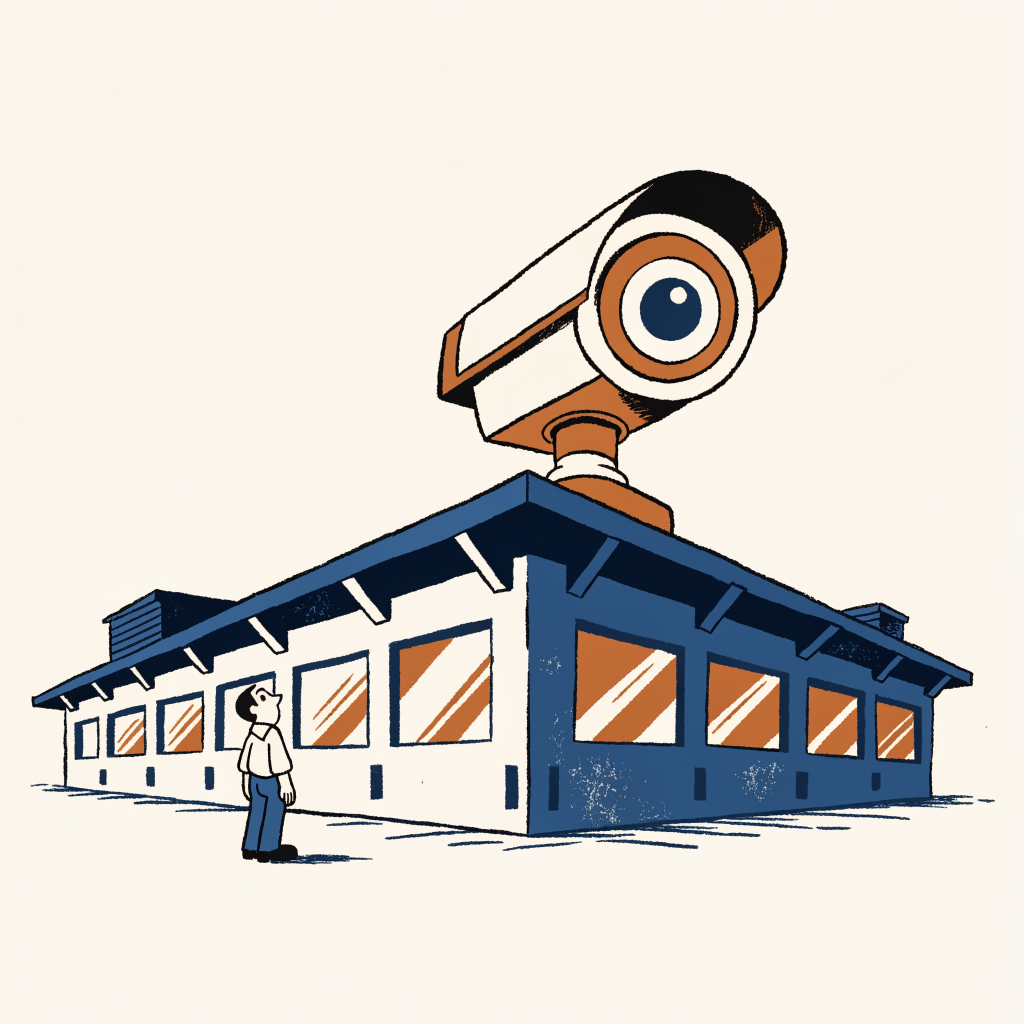
Critics say Big Tech's AI buildout is really one big surveillance machine.
The catchAnthropic turned down $200 million from the Pentagon to keep its rules against mass surveillance.
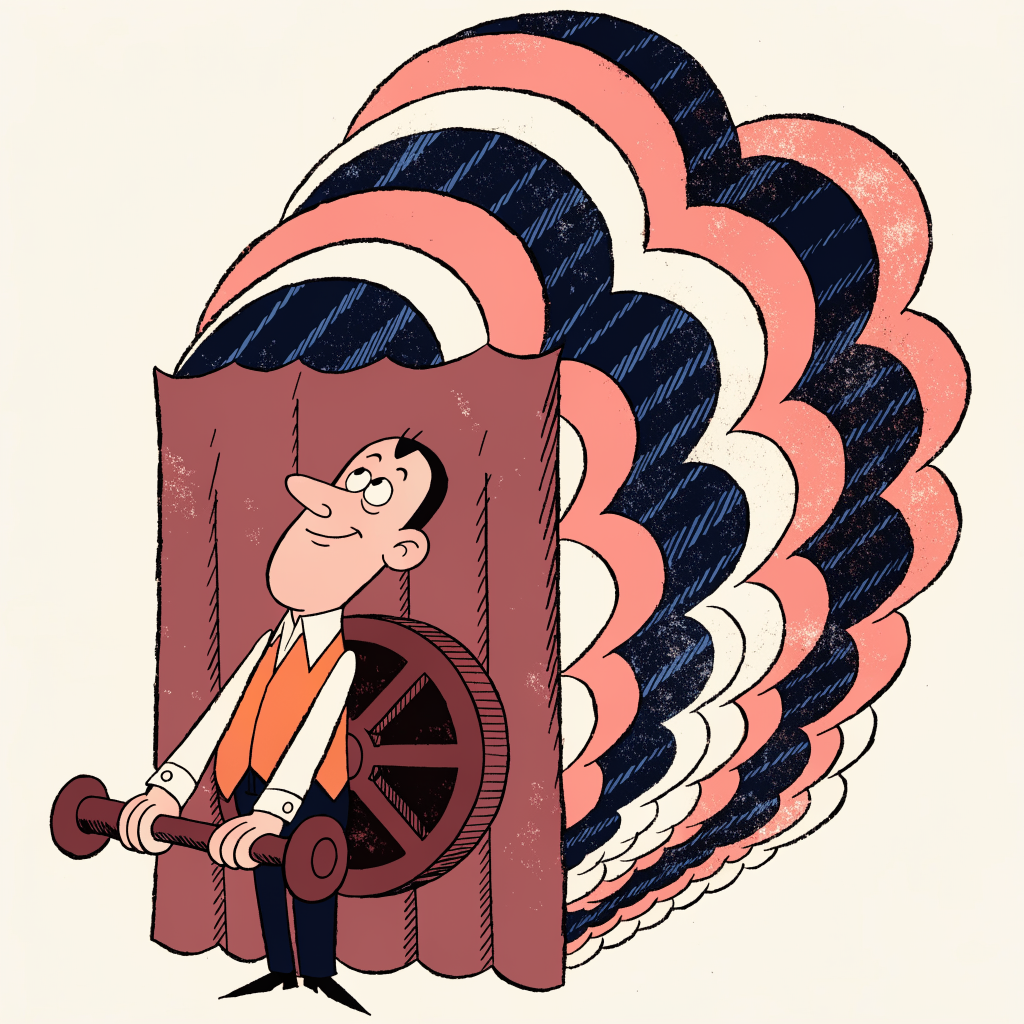
Critics say the AI industry is selling inevitability to make opposition feel pointless before it forms.
The catchA hundred-plus cities protested data centers five months after the industry's biggest ad push.
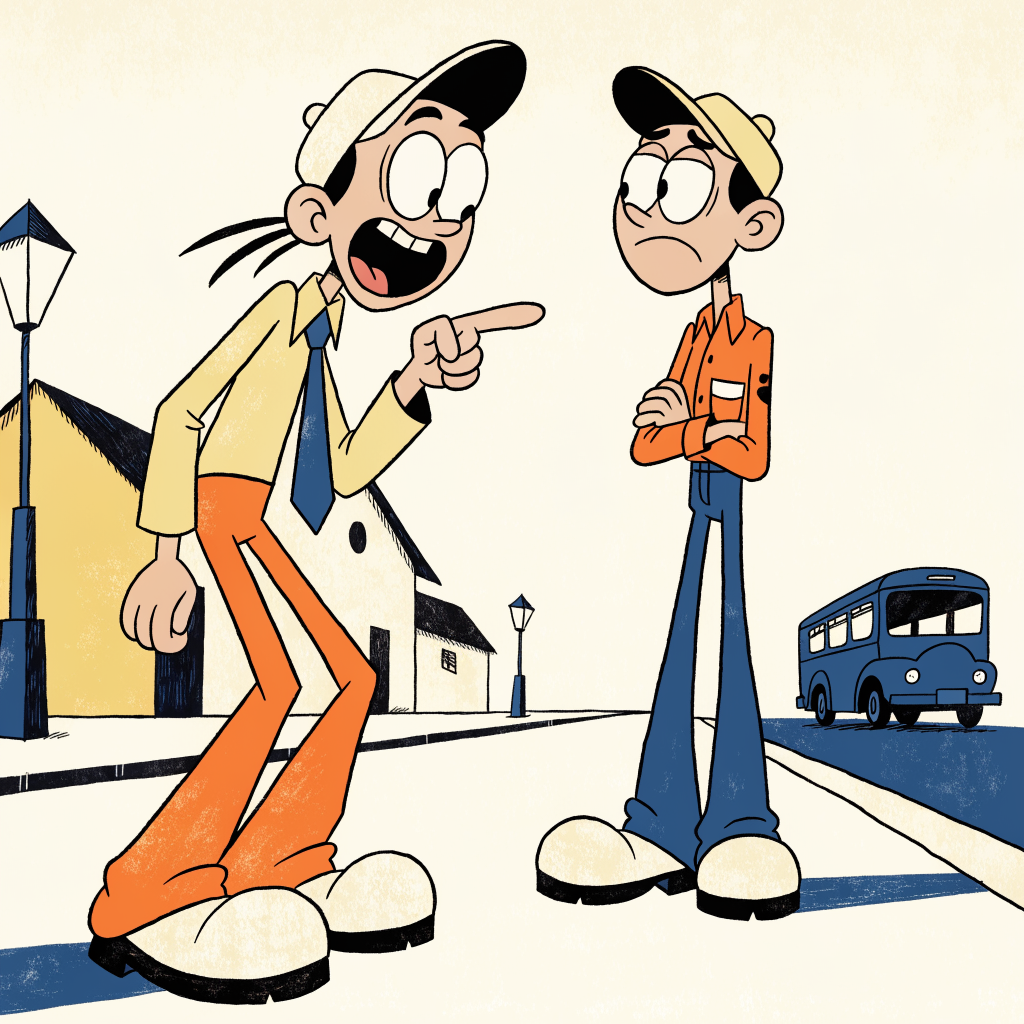
A tech investor says anti-data-center protesters are bused-in actors funded by Beijing.
The catchA reporter asked attendees how they got there. They drove themselves.
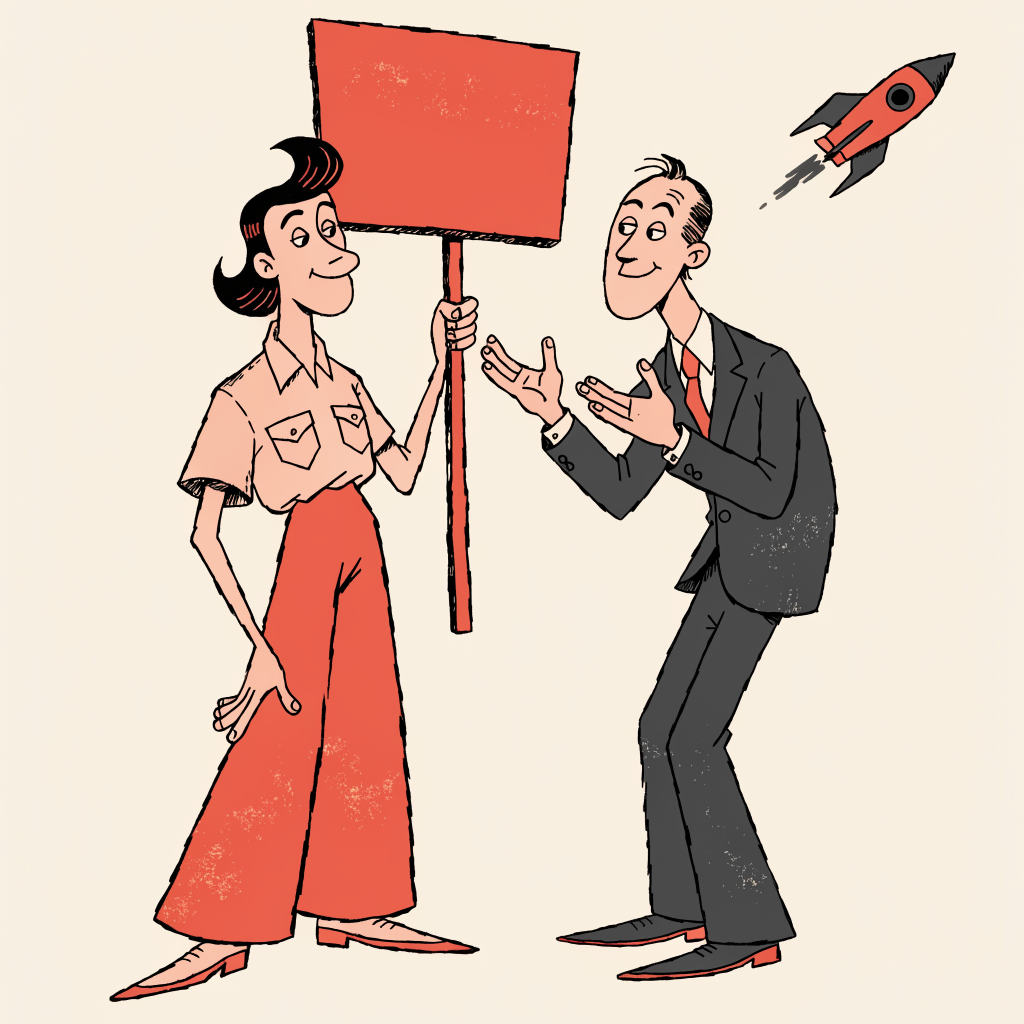
Pro-buildout voices call data-center protesters Luddites who are handing the AI race to China.
The catchThe 120-plus protests are local fights over power bills and water, and none of it is organized opposition to AI itself.
Sanders says AI executives are cutting jobs to get richer and for no other reason.
The catchOpenAI's CEO just proposed taxing the rich, including himself, to fund a payout for everyone.
Critics say data-center tax breaks prove officials are bought by industry money.
The catchThe same year, New York banned new data centers and a North Carolina commissioner lost his seat for approving one.

Critics say the AI industry's own doom talk set the mood for someone to attack Sam Altman.
The catchThe critics making that case condemned the attack in the same breath they made it.
Sacks says California's "one-time" billionaire tax was never going to stay one-time.
The catchHe was right that a second tax proposal followed. Nobody's found a backer who actually wants the industry destroyed.

Sacks says the AI jobs crisis is a hoax the press is running on purpose.
The catchA real study found no AI-driven hiring collapse, and the same outlets gave the skeptical case prominent coverage too.