The 'psyop' accounts had no followers. The backlash had restraining orders and council meetings.
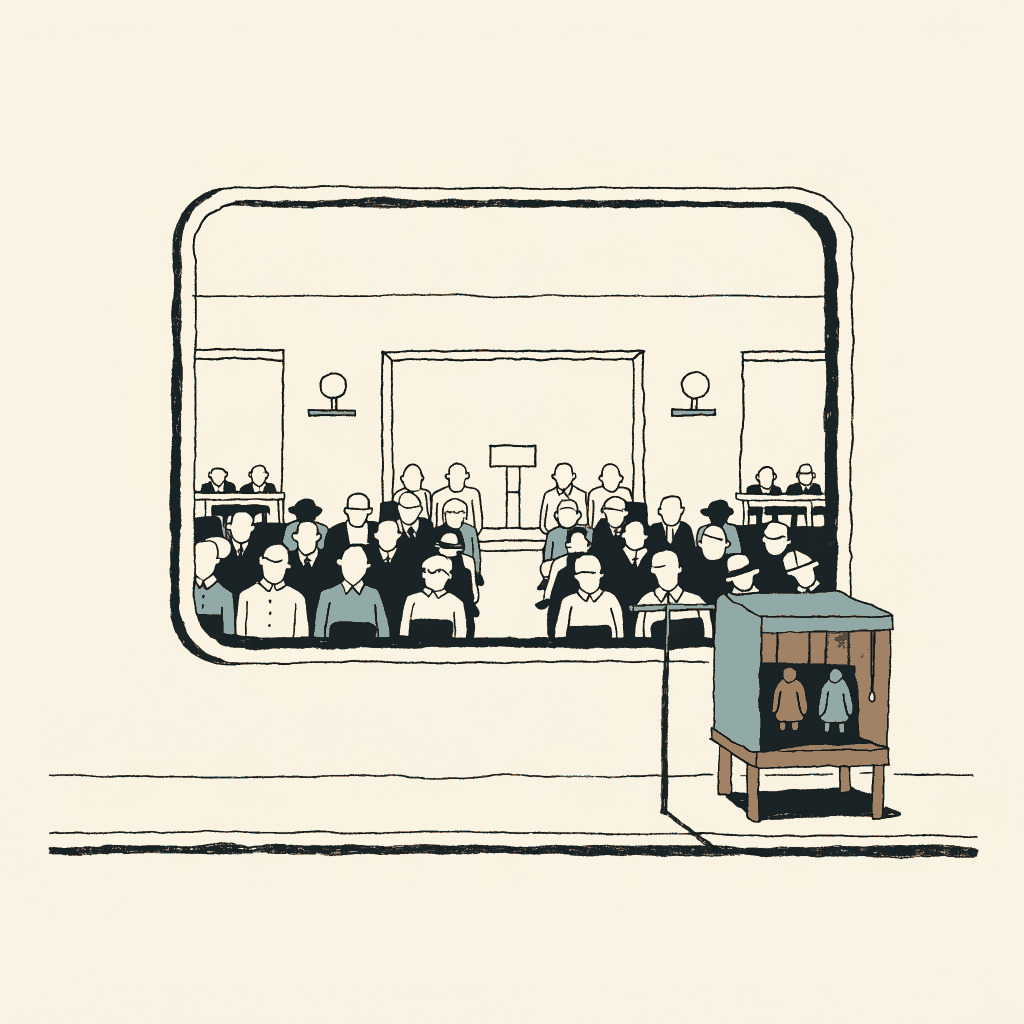
A Gallup poll released on 2026-08-24 found 7 in 10 Americans oppose data centers, while local fights ran through the week from the Finger Lakes to Texas and the backlash was called a midterm issue. That same day JordanSchachtel wrote that opponents "have been delivered endless amounts of garbage info from degrowthers & foreign psyops" and called them "hyperonline Luddites," drawing 96,088 engagement. A syndicated headline carried a senator's claim that "China fuels US AI backlash," X attributed anti-data-center posts to Chinese bot accounts, and a Fox News guest said foreign actors fuel it. On 2026-08-27 Business Insider reported a researcher found most accounts X named had no followers or engagement. On 2026-08-28 Axios posted "China is secretly fueling America's data center rage," with 594,986 engagement.
An influence campaign that moves opinion needs reach, and these accounts had roughly none. The audit of X's own list found mostly zero-follower, zero-engagement accounts, and the attribution to China itself rests on X's unverified say-so.
The grievances keep passing the physical test. In one window: protests in New York, Texas, Pennsylvania, Georgia, and Michigan, a restraining-order fight, a moratorium push, protesters at a New Jersey bill signing. Gallup's 7 in 10, wire coverage of left and right uniting, and a Republican governor saying data centers 'dug their own grave' over power bills and water use complete a footprint that looks nothing like a partisan or hyperonline niche.
What survives is the minimal version only: a Chinese amplification attempt appears to exist at trivial scale. Pointing at it answers a 70 percent opposition number without engaging the power bills, water use, and land fights the local battles actually run on.
Four checks: on the identified accounts' actual reach, on whether the opposition sustains physical local action, on whether its footprint looks like a campaign's or a supermajority's, and on whether any genuine state-linked participation exists at all.
Being right about what happened and wrong about what it proves are different failures, so these two lines never get averaged into one score. How this works
The logic check
If the claim is right, these things should be true. Here's what we found. Each check says which version of the claim it's testing, the plain one most people would hear or the widest one the same words could carry, and whether it carries the claim's own burden or establishes the background it sits on.
If Chinese influence operations were fueling the backlash, the accounts X identified as the operation would show the followers, views, and engagement an influence campaign needs to move opinion at scale.
Reading failsBusiness Insider reported that a researcher who audited X's published list found most of the Chinese bot accounts had no followers or engagement. A fringe counter-carrier working from the same list put the data-center posters at roughly 1 in 1000 of the banned set, with near-zero views, a figure consistent with the researcher's finding though not independently confirmed. source
If the backlash were an implanted online sentiment rather than lived local grievance, opposition would concentrate in online spaces and would not sustain physical, local action in the places data centers are actually sited.
Reading failsIn-window, in-person opposition ran continuously: community protests in Genesee County and the Finger Lakes in New York, a temporary restraining order fight in Westlake, Texas, resident protests in West Rockhill, Pennsylvania, a city hall protest in Statesboro, Georgia, a moratorium push in Lansing, Michigan, protesters at a New Jersey bill signing, and a council-meeting protest in Scotland. Bots do not appear at council meetings or file restraining orders. source
If opposition were the product of a targeted foreign propaganda campaign, its footprint would look like a campaign's: a partisan or hyperonline niche rather than a supermajority, and the pro-buildout coalition's own officials would not be validating the grievances.
Reading failsGallup measured 7 in 10 Americans opposed, wire coverage described the left and right uniting against data centers, and Republican governor Greg Abbott said data centers 'dug their own grave' over power bills, water use, and local development while other Republican officials broke ranks. source
If Chinese state-linked accounts participate at any scale, the set X removed would contain genuine state-linked accounts that posted anti-data-center content.
Reading strainedX asserted exactly this, and the researcher's audit confirmed the accounts existed while finding trivial reach. No third party has verified X's provenance attribution of the accounts to China. source
The full scoring
The raw numbers behind the verdict. What R/I/P/E/L and charge stages mean: how we score.
Research verdict: contradicted by checks.
The claim is that Americans who oppose data-center construction are dupes or allies of Chinese influence operations and degrowth propaganda. The plain reading, that some Chinese amplification exists, stays open: X said so, and a researcher's audit confirmed the accounts existed, but no third party has verified they trace to China. The widest reading fails on every check. The researcher who audited X's own list found most accounts had no followers or engagement. In one week there were protests in New York, Texas, Pennsylvania, Georgia and Michigan, a restraining-order fight and a moratorium push, Gallup found 7 in 10 Americans opposed, and Republican governor Greg Abbott said data centers 'dug their own grave' over power bills and water use.
Source record: hobocode.net Fault Line Report 2026-W35
Everything here is a plain-language cut of research published in full at hobocode.net, including the polarization methodology that defines every score on this page.