'Eat Ramen' meets a 13 percent jump in grocery prices, the sharpest since 1979.
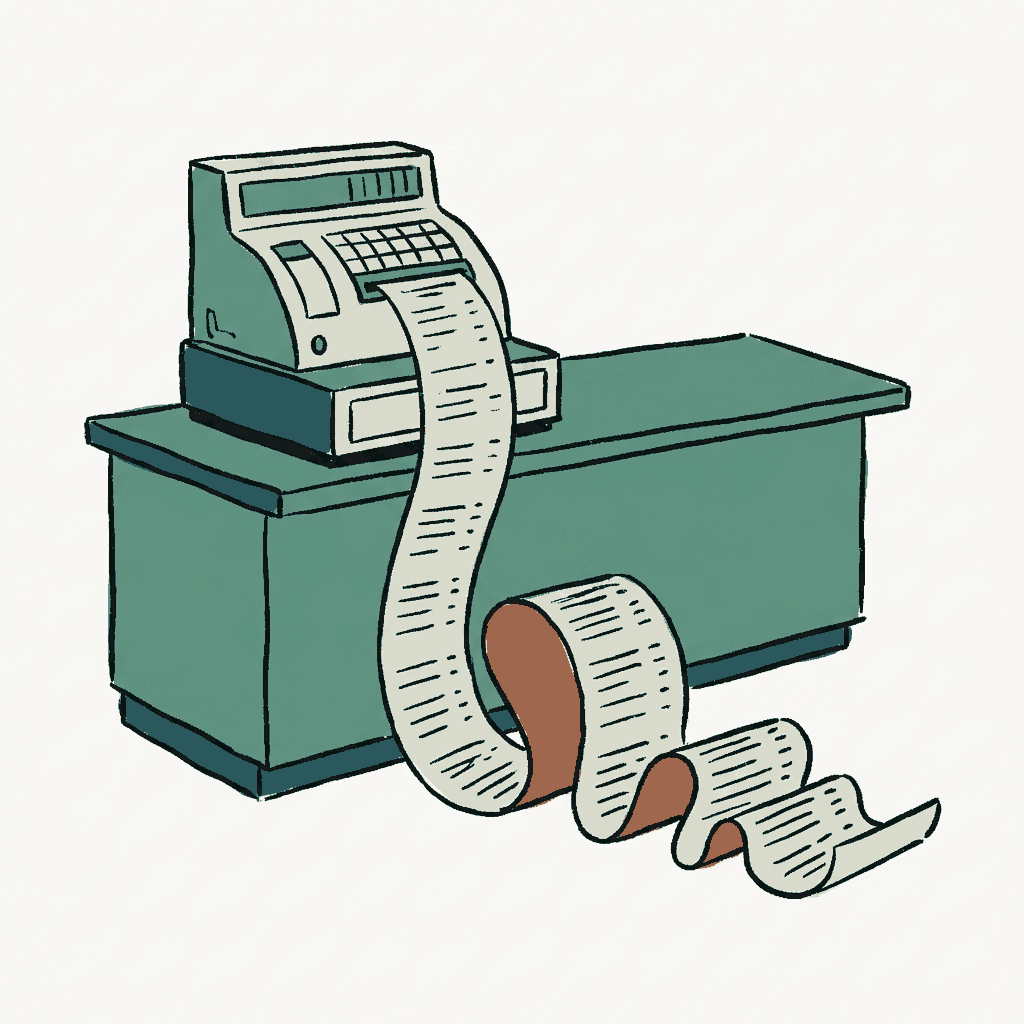
After a college student complained a burrito shouldn't cost $20, Rep. Dan Crenshaw told critics to 'stop whining, get a job, eat Ramen,' and Ben Shapiro said they were 'doing life wrong.' Matt Walsh called the dismissals 'political suicide' and accused fellow conservatives of lying about the crisis.
The price data backs Walsh's premise without qualification: food-at-home costs rose 13.1 percent over the year, the sharpest jump since 1979, and Crenshaw was on record criticizing similar increases under Biden.
What the 'lying' charge needs and doesn't get is Crenshaw or Shapiro denying prices rose at all. Both quotes dispute the cause and the fix while leaving the fact alone.
Three checks: on whether grocery prices actually rose as sharply as claimed, on whether Crenshaw previously took the opposite position, and on whether his and Shapiro's own words deny the price increase itself.
Being right about what happened and wrong about what it proves are different failures, so these two lines never get averaged into one score. How this works
The logic check
If the claim is right, these things should be true. Here's what we found. Each check says which version of the claim it's testing, the plain one most people would hear or the widest one the same words could carry, and whether it carries the claim's own burden or establishes the background it sits on.
If the minimal reading holds, independent CPI data should confirm real, sharp increases in food and grocery prices.
Reading survivesBLS's July 2026 CPI showed the food-at-home category up 13.1 percent year over year, the sharpest increase since March 1979, with cereal and bakery products up 15 percent and dairy up 14.9 percent. source
If the 'lying' charge reflects a documented reversal rather than a consistent view, Crenshaw and Shapiro should have a prior record of criticizing price increases under the Biden administration.
Reading survivesReporting on the debate notes Crenshaw was 'vocally critical of runaway price increases' under President Biden but has 'since changed his tone' with Republicans controlling the federal government; food-at-home CPI rose about 20.7 percent from January 2021 to December 2023, the period Crenshaw criticized. source
If Crenshaw and Shapiro are actually denying that prices rose, rather than disputing the appropriate response, their own quoted remarks should deny the price increases themselves.
Reading failsCrenshaw's own quote is 'The market does not care what you think something should cost,' and Shapiro argued for tariff and regulatory changes 'to make food cheaper', both contest the causal explanation and the appropriate response, not the fact that prices are higher. source
The full scoring
The raw numbers behind the verdict. What R/I/P/E/L and charge stages mean: how we score.
Research verdict: mixed evidence. The research found some of what the claim predicts and not the rest.
The claim, from Matt Walsh, is that conservatives dismissing $20-burrito complaints are knowingly denying documented price increases to avoid admitting a problem on their party's watch. Read narrowly, the prices are real: BLS's July 2026 CPI put food-at-home costs up 13.1 percent over the year, the sharpest jump since March 1979, and Rep. Dan Crenshaw criticized price increases under Biden before changing his tone. Read widely, the 'lying' charge needs Crenshaw or Ben Shapiro denying that prices rose, and neither did. Crenshaw said 'The market does not care what you think something should cost,' and Shapiro argued for tariff and regulatory changes to make food cheaper. Both dispute the cause and the fix.
Source record: hobocode.net Fault Line Report 2026-W32
The Fault Line Report, August 3 to 9, 2026
All fourteen narratives with the full logic test, the mirror check, the R/I/P/E/L factors and the coverage notes on each lane. This page is the plain-language cut; that one is the whole thing, including the polarization methodology that defines every score here.